Warframe
- 4.1
- Rating
- 1.00M
- Installs
- Free
- Price
 Analysis by App-foxy
Warframe is the kind of online action game that can feel immediately impressive and slightly overwhelming at the same time. I found its strongest first impression in the combination of fast combat, a story-led structure, and the sense that I was stepping into a much larger world than a typical mobile action title. It is free to play, made by Digital Extremes, and sits firmly in the mature end of the market with a 17+ content rating. That matters here because the presentation and tone are aimed at players who want a serious science-fiction action experience rather than a light, quick arcade game.
The important question is not whether Warframe can entertain me during a first session. It can. The more useful question is whether it deserves regular space on a phone or tablet after the initial excitement wears off. My answer is cautiously positive, but only for the right player. This is not a game I would recommend to someone looking for a five-minute distraction with no learning curve. I would recommend it to someone who enjoys building a long-term routine around missions, progression, and playing alongside friends, and who is willing to accept a fairly demanding game in return.
Why the first week feels so compelling
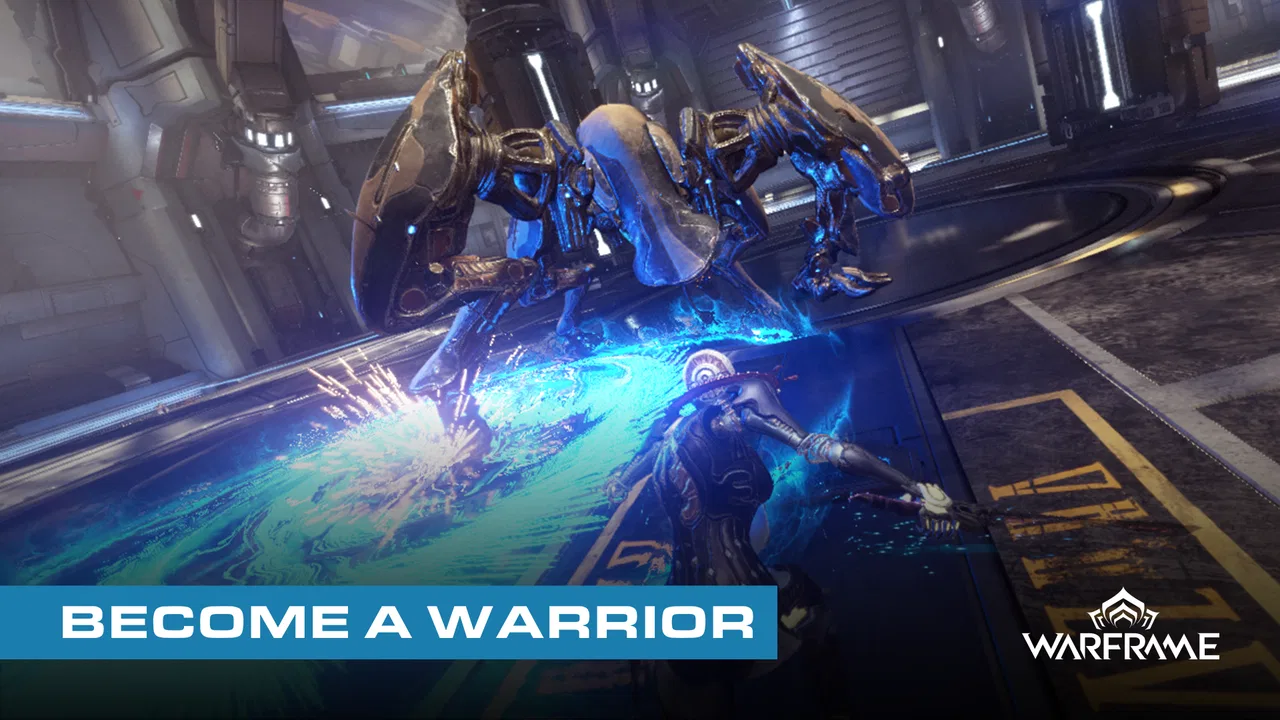
During the opening stretch, the appeal comes from movement and momentum. Warframe does not feel like a slow, menu-heavy action game. Its identity is built around getting into combat, moving through environments, and making decisions while the action is already happening. I quickly understood why the game works best when I treat each mission as part of a larger journey rather than as an isolated level.
You May Also Like

 Blood Strike: 2.5 Anniversary
Blood Strike’s Loadouts Turn Every Drop Into a Tactical Gamble
A close look at Blood Strike’s custom loadouts: how fast access to signature weapons reshapes its battle royale rhythm, rewards preparation, and narrows the gap between fights.

 Pandora - Music & Podcasts
Pandora’s Music Is Easy to Start, but Harder to Recover
Pandora’s strength is its low-effort path from a seed to a station. Its weak spot is how much confidence it asks you to place in connection, setup, and quiet recovery.

 8 Ball Pool
 Is Built on Rivalries, Rematches, and Routine
A close look at the rivalries, rematches, shared routines, and unanswered safety questions that turn a quick pool match into a persistent mobile community.

 Samsung Music
’s Quiet Strength Is Playing What You Already Own
Its reach comes less from spectacle than from dependable access to a personal library. That simplicity is both the app’s strongest retention engine and its ceiling.

 AccuWeather: Weather Radar
AccuWeather Review: A Quick, Clear Forecast for Everyday Decisions
For everyday plans, the best forecast is the one you can understand quickly. AccuWeather makes rain timing, radar, and local conditions easy to act on, with a few trade-offs.

 Hill Climb Racing
Why Hill Climb Racing Still Turns Crashes Into One More Run
A tiny car, a bumpy hill and one more upgrade: Hill Climb Racing keeps resurfacing because its simple chaos makes every near-miss feel personal.
More From Our News Desk



The story-driven structure also gives the early hours more purpose than a simple sequence of disconnected fights. Even when I was still learning how the game wanted me to play, there was a reason to continue. That sense of direction is valuable because online action games can otherwise become a blur of repeated encounters. Here, the narrative context helps the first week feel like progress instead of just practice.
Playing with friends adds another layer. A difficult section becomes less intimidating when I can coordinate with other people, and familiar missions feel less repetitive when the group approaches them differently. I would not describe the social side as optional decoration. For many players, it is one of the main reasons to return. The game’s store summary emphasizes battling alongside friends, and in my experience that is a fair description of its strongest shared moment: the action becomes more memorable when everyone is moving through it together.
There is, however, a real adjustment period. Warframe asks me to absorb several kinds of information at once: how combat flows, how progression is organized, what I should prioritize, and how much time I want to invest in each activity. A player who expects the immediate clarity of a small standalone action game may feel lost. I recommend resisting the temptation to understand everything in the first sitting. The better approach is to learn one combat habit at a time and let the wider structure reveal itself gradually.
One useful early habit is to decide what kind of session I am having before starting. If I only have a short break, I focus on a clear objective rather than opening every available menu or chasing every possible upgrade. If I have a longer evening, I can experiment more freely. This simple distinction prevents the first week from turning into a constant feeling of being behind.
The mobile format makes that discipline especially important. A large online action game can be demanding for a handheld device and for the person holding it. I found that Warframe is more enjoyable when I play with enough time to concentrate, rather than trying to squeeze it into moments when I would normally play a casual puzzle game. The game is free, but it is not effortless.
What new players should understand before committing
The most important expectation to set is that this is a long-term game, not a short campaign that happens to include online features. The first week introduces the world and the basic rhythm, but it does not represent the full value of the experience. If I judge it only by how quickly it explains itself, I may mistake its depth for poor onboarding. If I enjoy learning through repeated play, the same depth becomes a reason to stay.
I would also advise new players not to measure progress only by visible rewards after every mission. In Warframe, a session can be worthwhile because it teaches me how to move better, helps me understand a system, or makes a later objective feel more manageable. That is a different rhythm from games that constantly deliver a dramatic upgrade. The reward is sometimes knowledge and familiarity, which is satisfying only if I am prepared to play patiently.
Another practical point is to protect the story experience from unnecessary distraction. When a game offers many directions, I prefer choosing one clear thread and following it until I understand what it is doing. Jumping between every option can make the world feel less coherent. Warframe rewards curiosity, but unfocused curiosity can also create fatigue very early.
Why the second month matters more than the first
The first month is where I can tell whether Warframe has become a habit or merely provided a strong novelty hit. The game has lasting value because its action is not dependent on one short burst of content. Returning players can continue refining how they approach missions, improving their control, and deciding which parts of the broader experience deserve attention. That gives it more staying power than many mobile action games that feel complete after a few sessions.
For me, the strongest recurring value comes from the relationship between skill and progression. A new improvement is useful, but it becomes more meaningful when I understand how it changes my decisions in combat. I enjoy games more when an upgrade encourages a different approach instead of simply making every encounter easier. Warframe works best when I use its progression as a reason to experiment rather than as a checklist I rush through.
This is also where playing with friends can determine whether the game remains installed. A shared routine gives repeated missions a social purpose. Even if the activity itself is familiar, the group can make the session feel different. One evening might be focused and efficient; another might be more exploratory. That flexibility helps the game avoid becoming a purely solitary grind.
Still, the month-to-month experience requires self-management. Because the game is built for continued play, I need to decide when I am satisfied with a session. Without that boundary, it is easy to spend time sorting through progression choices without actually enjoying the action. My best routine is to set a small goal before launching the game, such as learning a particular mission route, improving a combat technique, or completing a specific piece of progress. I stop when that goal is complete instead of allowing the game to define the entire evening.
This is one of the less obvious trade-offs. A game with a large amount of ongoing value can also create a sense of obligation. Warframe is most rewarding when I return because I want to, not because I feel that I must keep up. Players who enjoy open-ended progression will see freedom here. Players who prefer a clearly finished experience may see an endless list of tasks.
The free entry point makes experimentation easier. I can try the game without paying upfront and decide whether the combat and structure suit me. That is a genuine strength, especially for friends who want to test whether they enjoy the same online action experience before committing. At the same time, the presence of in-app purchases ranging from $0.99 to $199.99 per item means I would approach spending carefully. The price range is wide enough that I would set a personal budget before buying anything and avoid treating purchases as a solution to impatience.
My advice is to let regular play establish what I actually value first. If I do eventually spend money, it should be because I already understand why I am staying, not because I am confused about progression or trying to skip the learning process. That distinction protects the free-to-play experience from becoming an emotional purchase.
How it compares with simpler action games
Compared with a straightforward mobile action game, Warframe offers more depth, more continuity, and a stronger reason to return over time. The trade-off is that it demands more attention. A simpler alternative may be better if I want a game I can understand instantly, play briefly, and close without remembering a collection of systems.
Compared with a traditional single-player action game, Warframe provides a more social and ongoing experience, but it may feel less relaxing. I cannot approach it as a purely private campaign with a fixed endpoint. The online focus changes the rhythm, and the long-term structure means that the game asks me to make choices about how deeply I want to engage.
That comparison helps define its audience. Warframe is not automatically the best action game for every mobile player. It is the better choice for someone who wants an evolving routine and enjoys learning a large game. It is the weaker choice for someone who values simplicity, a compact story, or a completely predictable stopping point.
The maintenance burden of keeping it enjoyable
Every long-running game has a maintenance cost, and Warframe’s cost is mostly mental rather than financial. I need to remember what I was working toward, keep track of which systems I understand, and make peace with the fact that I will not use every available option immediately. That is manageable when I play consistently, but it can become uncomfortable after a long break.
Returning after time away may require a short relearning period. Instead of jumping straight into the most complicated activity, I would spend one session rebuilding my familiarity with movement, combat, and the menus. This is not wasted time. It prevents the common mistake of judging the game while feeling rusty and disorganized.
The game also benefits from a device setup that supports focused play. I would use headphones when possible, keep the screen clean, and avoid playing while distracted. Fast online action loses much of its appeal when input feels imprecise or when I am constantly looking away. That is not a criticism unique to mobile gaming, but it is particularly relevant here because Warframe’s appeal depends on active control rather than passive progression.
Another maintenance issue is social coordination. Playing with friends is a major advantage, but it can also create scheduling friction. If everyone has different goals or different levels of familiarity, the group may spend more time deciding what to do than actually doing it. I found that a short plan helps: agree on one objective, accept that not every player will progress at the same pace, and avoid turning a casual session into a performance test.
The current version is 2026.07.28.17.35, and the game requires Android 12 or later. Those details matter practically because this is not a title I would install casually on an older device without checking compatibility first. Players should also remember that a demanding online game may feel very different depending on the device’s screen, controls, storage situation, and connection quality. I would treat the technical setup as part of the decision rather than an afterthought.
Maintenance also means managing expectations around free play. The game costs nothing to start, which lowers the barrier to entry, but free-to-play design can still influence how I think about progress and purchases. I prefer approaching Warframe with a clear rule: play first, understand the systems, and only then decide whether optional spending adds genuine enjoyment. That keeps the game from becoming a test of impulse control.
Where long-term fatigue can appear
The biggest source of fatigue is repetition without a personal reason behind it. Repeating missions can be satisfying when I am improving, helping friends, or pursuing a goal I genuinely care about. The same activity feels empty when I am doing it only because the game presents another task. This is why I would not recommend playing every day by default. A healthy schedule may include breaks, especially after a session that starts to feel like maintenance work.
Information overload is another concern. Warframe’s depth is part of its identity, but depth and clarity are not the same thing. I sometimes felt that I was managing the game rather than playing it. When that happened, I returned to a simple loop: choose one objective, enter the action, and ignore the rest until I was ready. That approach does not remove the complexity, but it makes the complexity less exhausting.
The mature rating is also a meaningful filter. Warframe is not the game I would choose for a child or for a family audience looking for something universally comfortable. The 17+ rating tells me to consider the tone and presentation before recommending it to someone else, especially if the game will be played in a shared household.
There is also a risk that the scale of the game weakens the story for players who take long pauses. A narrative experience benefits from continuity, while an ongoing online game encourages me to dip in and out. If I return irregularly, I may remember the combat more easily than the plot. For a player who wants a tightly paced story with no interruptions, a conventional single-player alternative may be more satisfying.
Finally, the game may not suit people who dislike online dependence or who want every session to work equally well alone. Its strongest identity is connected to shared play and continued progression. If I am looking for a self-contained action game that I can keep forever without worrying about other players, Warframe is not the obvious choice.
Small habits that make the experience last
I get more value from Warframe when I rotate my goals instead of repeating the same type of session endlessly. One day I might focus on the story, another on combat practice, and another on playing with friends. This keeps the game from becoming a single mechanical routine and helps me notice different strengths.
I also recommend taking notes outside the game if the progression begins to feel confusing. A short reminder about the next objective or the reason I am collecting something can save time when I return later. That may sound excessive for a mobile game, but it is useful precisely because Warframe is larger than a typical quick-play title.
Most importantly, I would avoid comparing my progress with people who have been playing longer. Long-term games become tiring when every session is judged against someone else’s destination. My own useful measure is whether I am learning, enjoying the combat, or spending time with friends. If none of those is happening, taking a break is better than forcing another mission.
My long-term verdict
Warframe earns lasting space on my device when I treat it as a serious online hobby rather than a casual time filler. The first week offers fast action and a compelling story-led direction. The following month reveals whether I enjoy its deeper progression, repeated missions, and social rhythm. After that, the game’s value depends less on novelty and more on whether I can build a sustainable routine around it.
Digital Extremes has created a game with enough scale to reward patience, but that scale is also its main barrier. I appreciate the free entry point, the mature science-fiction tone, and the way playing with friends can turn familiar action into a shared activity. I also recognize that the game asks for more attention than many people expect from a phone title. The learning curve, ongoing structure, purchase range, and potential repetition are not minor details.
Its average rating is 4.1 from around 30 thousand ratings, with more than a million installs, which fits my impression of a game that has found a substantial audience without being universally easy to recommend. Those figures suggest reach and interest, but they do not remove the need to match the game to the right player. I would rather explain that clearly than pretend its depth is effortless.
My recommendation is simple: install Warframe if you want an ambitious, story-driven online action game that can become a long-term routine, and skip it if you want instant simplicity or a clean ending. I would give it time before making a final judgment. The first session shows the spectacle, but the real test is whether I still enjoy choosing a goal, joining the action, and returning on my own terms after the novelty has faded.
For me, that lasting value is present, but it is conditional. Warframe stays worthwhile when I keep my sessions purposeful, control my spending, and accept that not every system needs to be mastered immediately. With those expectations, it becomes more than a free download I try once. It becomes a demanding but rewarding action game that can remain in my rotation for a long time.
FAQs for Warframe
01What is Warframe, and what kind of game is it?
Warframe is a free-to-play online action game focused on fast third-person combat, exploration, missions, and character customization. You play as a Tenno, an ancient warrior who controls powerful Warframes with different abilities. The game combines shooting, melee attacks, parkour movement, space travel, story quests, and cooperative multiplayer, making it suitable for players who enjoy long-term progression and constantly expanding content.
02Is Warframe free to download and play?
Yes, Warframe can be downloaded and played for free on supported Android, iOS, PC, PlayStation, Xbox, and Nintendo Switch platforms, although availability and features may vary by device. The game includes optional purchases for cosmetic items, premium currency, and convenience features. Most equipment can be earned through regular gameplay, so spending money is not required to experience the main missions and progression systems.
03Does Warframe require an internet connection?
Warframe is primarily an online game and requires a stable internet connection for account access, matchmaking, missions, updates, and cloud-based progression. It is not designed as a fully offline experience. Connection quality can affect loading times, cooperative play, and mission stability, especially on mobile devices using cellular data. Players should also ensure they have enough free storage for updates and additional game files.
04Can I play Warframe with friends on different platforms?
Warframe supports cross-platform features in many versions, allowing players on compatible platforms to interact and play together. However, cross-play and cross-save availability can depend on account linking, regional support, platform rules, and the current version of the game. Before downloading, check the latest official requirements and make sure your account is properly connected if you want to continue progress across multiple devices.
05Is Warframe suitable for beginners, and how difficult is it to learn?
Warframe is accessible to beginners, but its large number of systems can feel overwhelming during the first several hours. New players must learn movement, weapons, Warframe abilities, crafting, missions, mods, resources, and the Star Chart. The early tutorial explains the basics, while later quests gradually introduce more features. Patience is helpful, because understanding builds and progression becomes easier after gaining regular gameplay experience.
Pros
- Deep customization of Warframes
- weapons
- mods
- and playstyles.
- Fast
- fluid movement makes missions feel energetic and rewarding.
- Frequent updates add quests
- locations
- characters
- and seasonal content.
- Large amount of free content available without mandatory spending.
- Cross-platform play helps maintain an active multiplayer community.
Cons
- The opening hours can feel confusing due to limited guidance.
- Many systems unlock gradually
- creating a steep learning curve.
- Grinding resources and blueprints can require considerable time.
- Some missions become repetitive after extended play sessions.
- Menus and inventory management can feel overwhelming on mobile screens.

Warframe
Gallery